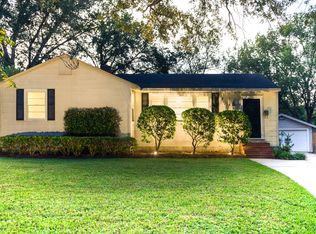
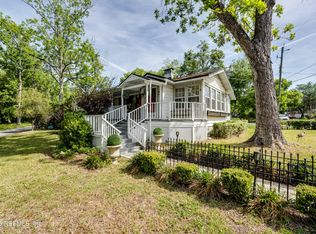
In 1868, Confederate veteran Miles Price sold 500 acres of his property, known as Dell's Bluff, to a Yankee, Edward M. Cheney, and his financial backer, John M. Forbes of Boston, for $10,000 in gold. Forbes and Cheney built grand riverfront homes and waited for the influx of residents. For the next 30 years, however, they remained the only homeowners in the very rural area. On May 3, 1901, in less than 24 hours, downtown Jacksonville and the majority of the city's homes disappeared in a blazing inferno, sparked by a fire that spread from the Cleaveland Fibre Factory. With downtown Jacksonville in ruins from the Great Fire, residents relocated in droves to the suburbs, starting with Riverside. Soon riverfront on Riverside Avenue was lined with elegant mansions and, within 10 years, was being called one of the most beautiful streets in America. Architects and construction companies from all over the country had followed the fire to Jacksonville, and Riverside benefited greatly. The expansion continued with the creation of Avondale, an exclusive development planned by a group of investors led by Telfair Stockton. Appealing unabashedly to the well-to-do, Avondale was a huge success with nearly 200 homes built in its first two years. Most of the residences were two stories and many were designed in the Mediterranean Revival style, which Mizner had earlier taken to South Florida and which became the strongest architectural statement of 1920s Florida. Thanks to historically minded people and the Riverside-Avondale Preservation Association, much of that distinctive architecture remains today. You can see many houses with the brown RAP plaque symbolic of a restoration effort. Developers are also continuing to take a fresh look at old buildings and finding innovative new uses for them.
This property is not currently displayed as for sale or rent on Zillow. This may be different from what's on other websites or public sources.