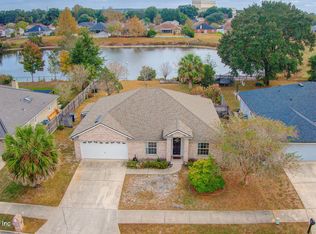
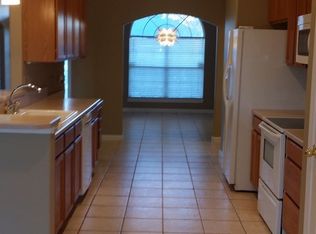
This 4 bedroom, 2 bath home has 2,002 square feet of living space. Leases signed in this state may be subject to a 9.99 utility fee, local taxes and processing fee Actual home details may vary. Applicant should verify all information before lease execution contact us for more details and information about this property The landlord's duties under landlord-tenant law are typically broken down into five parts: Security Deposit Disclosure of Owner Delivering Possession of the Unit Maintenance Liability Obligation to Manage Security Deposit or Prepaid Rent The first obligation of every landlord has to do with a tenant's security deposit. Every landlord has the right to charge their tenants a security deposit even though this deposit never actually belongs to the landlord. Instead, this deposit is a form of security for the landlord in case the tenant fails to pay rent, damages the property or otherwise breaches the lease agreement. Landlords have an obligation to follow the statewide and local laws regarding the security deposit. For instance, certain states set limits on the maximum amount of security a landlord can charge a tenant for a deposit. There are also specific rules for storing the security deposit, returning the security deposit and what to do with the security deposit if you sell your property. Landlords are obligated to follow these laws or they can face legal consequences for failing to do so. Obligation to Disclose Owner The second obligation every landlord has is to disclose to their tenants certain information about the owner of the property. This responsibility lies with the person who has signed the lease agreement with the tenant, whether it be the building's owner, the landlord, or another individual who is acting as the landlord's agent.
This property is not currently displayed as for sale or rent on Zillow. This may be different from what's on other websites or public sources.