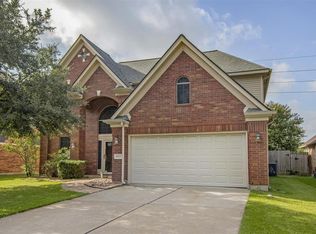
This 3 bedroom, 2 bath home has 2,199 square feet of living space. Leases signed in this state may be subject to a 9.99 utility fee, local taxes and processing fees. Home details on Landlord's website are offered for illustrative purposes only. Actual home details may vary. Applicant should verify all information before lease execution. Please contact an American Homes 4 Rent Leasing specialist for more information. 1. A Complete List of Tenant's Names It's crucial to get the name of every adult living in the rental unit on the lease. By getting every tenant's signature, each tenant becomes fully responsible for all of the terms of the lease. This means you can collect the full rent from any one of the renters, as well as terminate the entire lease if one of the tenants violates material terms of the lease. 2. The Amount of Rent Due and Due Date Spell out exactly how much is due for the month's rent. Don't forget to include: * Acceptable forms of payment * Where payment should be made * Whether any grace period exists * Any fees for late payments * Any rent increases (for example, rent may increase after a year if the tenant goes to a month-to-month lease) * If the property has rent control 3. A Clear Rental or Lease Term The proper terminology depends on the state you live in and local laws, but generally: * Rental agreements are usually short term or month to month * A standard lease is for longer periods of time (typically six months or a year) It helps to be specific about the time period. Otherwise, you may find your agreement is defined by the common law of your state (which often has unfavorable terms). Set a definite end date, or a deadline for the renter to continue their lease at the rental property. 4. Any Deposits and Late Fees Security deposits and extra fees are two of the most commonly disputed items between landlord/property managers and tenants. In addition to defining the amount of the deposit, also include: * How the deposit can be used * Any non-refundable fees (such as cleaning fees) * How the deposit will be returned after the tenant moves out * What constitutes normal wear and tear vs. real damage Security deposits are governed by state laws, which typically define maximum amounts and time periods for returning the deposit. Check your state's landlord-tenant law before drafting your rental agreement. 5. Right to Entry Terms Spell out exactly when and under what conditions the landlord can enter the tenant's unit. State law regulates how and when a landlord can enter a tenant's property, so be sure your lease terms comply with state law. Most require proper notice in writing, at least 24 hours in advance. 6. Maintenance and Repairs Both the landlord and tenant have responsibilities to maintain the premises. Spell out the obligations of both parties. Tenants typically have a duty to:
This property is not currently displayed as for sale or rent on Zillow. This may be different from what's on other websites or public sources.