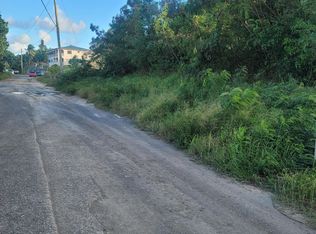
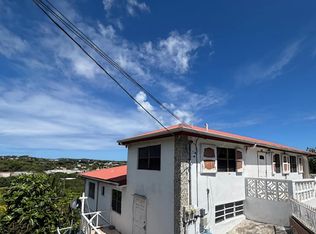
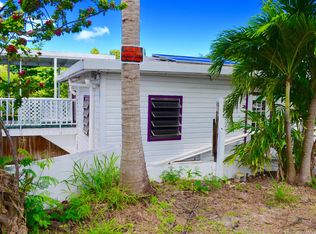
Estate Clifton Hill, St Croix, Sugar Factory and Rum DistilleryAn historic treasure on the island of St Croix that at one time was one of the most prolific sugar producers of the Caribbean. This Estate is a significant example of late 19th and early 20th century technology. Existing today are a well preserved Steam Powered Cane Crushing machine, a well tower, and other building remains. Fortunately, this site was bought or passed down to heirs who recognized the value of the many documents, journals, records, photographs and other images of a lifestyle that is now part of the past. Sadly, the outer edges of this property have already succumbed to suburban sprawl.The history of the estate stretches back to the mid-1700's. The original owner of the entire estate was King Cristian VI, a Danish monarch. Upon the purchase of St Croix from the French in 1733, the Danish West India-Guinea Company surveyed the islandextensively, parceling it into 150 acre lots within 9 quarters. It was during this time King Christian VI held parcel 26 of Estate Clifton Hill (approximately 150 acres). Abraham Marcoe purchased lot 22 of Kings Quarter and by 1754 cultivated cane and erected an animal mill to crush cane and a boiling house to make cane juice into sugar. By 176, Isaac and Frans Marcoe became owners of the land, and the family lived on the estate for about 70 years.A key lime stone in the factory wall is dated 1808, when St Croix was at its peak of prosperity as a sugar producing island. With 100 acres in cane cultivation and 50 acres in other crops, the estate operated with a labor force of 119 enslaved Africans. The peak in sugar production was in 1816, and the sugar economy of St Croix began to decline after that.The estate eventually came into the hands of the Hoffmanns, who eventually stopped producing sugar in 1896. In 1915, Hoffmann modified the sugar factory and converted the entire operation into a rum distillery.Hoffmann produced only "white rum" in his distillery and used paraffin to coat the barrels inside to keep the rum from turning color. Following his death in 1927, the family closed the distillery at Clifton Hill. In 1933, his daughter Marie reopened the distillery by the request of Austin Nichols and Company, Inc, in Brooklyn, New York. Under her operation, she shipped 75 barrels of rum to NY every two weeks unit the mid-1940's, when high labor cost, shortages of sugar cane, and competition from Jamaican rum distilleries forced her to cease operation.Most recently, the Hoffmann heirs have sold off the estate to different people. Ferdinand Abraham became one of the owners of the parcel currently for sale in Estate Clifton Hill. (1-Y) This parcel is an outstanding example of changing technology in the St Croixagricultural industry of the past. This estate is on the National Registry of Historic Places. It is zoned "R-2" - which is residential zoning, but the possibilities are endless! Brokered And Advertised By: USVI Sotheby's International Realty Listing Agent: Kim Lucas
This property is not currently displayed as for sale or rent on Zillow. This may be different from what's on other websites or public sources.